- 09-06-2023
- Admin
Navigating the Import Process in Bangladesh: A Step-by-Step Guide
I. Introduction
Understanding the import process in Bangladesh is crucial for businesses looking to import goods into the country. Bangladesh has specific regulations and requirements that must be followed in order to import goods legally and efficiently. Failure to comply with these regulations can result in costly fines and delays. By understanding the import process in Bangladesh, businesses can ensure that they are following the necessary procedures and can avoid any potential legal or financial issues. Additionally, understanding the import process can help businesses negotiate favourable payment and delivery terms, which can ultimately lead to increased profitability.
The blog post will provide a comprehensive guide on how to navigate the import process in Bangladesh. It will cover the various steps involved in importing goods, including research and planning, obtaining necessary licenses and permits, customs clearance, and payment and delivery options. The post will also discuss the importance of complying with Bangladesh's import regulations and provide tips for negotiating favourable terms. By the end of the blog post, readers should have a clear understanding of the import process in Bangladesh and be equipped with the knowledge necessary to import goods legally and efficiently.
II. Research and Planning
.jpg)
Conducting research and planning before importing to Bangladesh is critical for several reasons. Firstly, it helps businesses ensure that they are importing goods that are in demand in the local market. By identifying potential suppliers and products, businesses can make informed decisions about what to import and avoid investing in products that may not sell well.
Secondly, research and planning can help businesses understand the regulatory requirements for importing goods into Bangladesh. This includes understanding the necessary licenses and permits required, as well as any restrictions or limitations on certain products. By understanding these requirements, businesses can ensure that they are compliant with local laws and regulations, which can help avoid costly fines and delays.
Finally, research and planning can help businesses identify potential challenges and risks associated with importing goods to Bangladesh. This includes understanding the local business culture, logistics, and potential language barriers. By identifying these challenges early on, businesses can take steps to mitigate these risks and ensure a successful import process.
Overall, conducting research and planning before importing to Bangladesh is crucial for businesses looking to import goods legally and efficiently. It can help businesses make informed decisions, ensure compliance with local regulations, and mitigate potential risks and challenges.
Identifying potential suppliers and products is a critical part of the import process in Bangladesh. Here are some steps businesses can take to identify potential suppliers and products:
1. Conduct market research: Start by researching the local market to identify potential products that are in demand. This can include reviewing market reports, analysing consumer trends, and identifying gaps in the market.
2. Attend trade shows and conferences: Attending trade shows and conferences can be an effective way to identify potential suppliers and products. These events provide an opportunity to network with suppliers and learn about new products and trends in the market.
3. Utilize online directories: There are several online directories that can be used to identify potential suppliers in Bangladesh. These directories provide information on suppliers' products, services, and contact details, making it easier to connect with potential suppliers.
4. Seek recommendations: Reach out to other businesses or industry associations for recommendations on potential suppliers and products. This can be a great way to get first-hand feedback and recommendations from those who have experience importing goods to Bangladesh.
5. Visit local markets: Visiting local markets can be a great way to identify potential products and suppliers. This provides an opportunity to see products in person and connect with local suppliers.
By taking these steps, businesses can identify potential suppliers and products that are in demand in the local market. This can help businesses make informed decisions about what to import and ensure a successful import process.
Navigating Bangladesh's Import Regulations: Why It's Crucial for Your Business
Importance of Understanding Bangladesh's Import Regulations
It is crucial for businesses and individuals importing goods into Bangladesh to have a clear understanding of the country's import regulations. These regulations are put in place to ensure that imported goods meet certain standards and requirements and to protect the interests of local industries.
Failing to comply with the import regulations can result in delays, fines, and even legal action. Therefore, it is essential to understand the rules and regulations before importing any goods into Bangladesh.
Some of the key areas that importers need to be aware of include the following:

• Tariffs and taxes: Bangladesh impose tariffs and taxes on imported goods. The rates vary depending on the type of goods and their country of origin. Importers need to be aware of these rates to calculate the total cost of importing goods. The Import Policy Order is the main legal instrument that regulates customs tariffs in Bangladesh. Tariffs are an important source of revenue for the government, which makes it challenging to reduce tariff rates. Bangladesh applies tariffs at four primary levels for imported goods, and the applied rates are published on the Bangladesh Customs website. However, there are exemptions for a variety of goods, including generators, information technology equipment, raw cotton, textile machinery, and certain types of machinery used in irrigation and agriculture. Additionally, animal feed for the poultry industry, certain drugs and medical equipment, and raw materials imported for use in specific industries are also exempt from tariffs. It is also important to note that samples in reasonable quantities carried by passengers during travel are not subject to tariffs, but samples sent by courier are subject to tariffs.
The average Most Favoured Nation (MFN) tariff rate in Bangladesh is 14.0 percent, with average rates for agricultural products being higher than for industrial goods. The maximum MFN applied rate is 25 percent. Products subject to rates of 5 to 25 percent include general input items, basic raw materials, and intermediate and finished goods. Bangladesh provides concessions for the import of capital machinery and equipment, as well as for specified inputs and parts. This makes determining tariff rates a complex and non-transparent process. Other charges that apply to imports include an advance income tax of 5 percent, a value-added tax of zero to 15 percent (with exemptions for previously mentioned input materials), and a supplementary duty of zero to 500 percent, which applies to luxury items such as cigarettes, alcohol, and perfume. Bangladesh has abolished excise duties on all locally produced goods and services, with some exceptions. For example, services provided by banks or financial institutions are subject to a tax on each savings, current, loan, or other count with balances above defined levels. Additionally, certain taxes apply to airline tickets.
• Documentation requirements: Importers must provide the necessary documentation, such as a bill of lading, commercial invoice, and packing list, to clear their goods through customs. Failure to provide the required documentation can result in delays and additional costs.
• Product standards: Imported goods must meet certain product standards and regulations set by the Bangladesh government. Importers need to ensure that their goods comply with these standards to avoid any issues.
In conclusion, understanding Bangladesh's import regulations is crucial for businesses and individuals looking to import goods into the country. It helps ensure a smooth and hassle-free process while avoiding any potential penalties or legal issues.
III. Obtaining Necessary Licenses and Permits
Don't Get Stuck at Customs: Understanding Licenses and Permits for Importing to Bangladesh
Types of Licenses and Permits Required for Importing to Bangladesh
Importing goods into Bangladesh requires obtaining various licenses and permits depending on the type of goods being imported. The following are the different types of licenses and permits required for importing to Bangladesh:
1. Import Registration Certificate (IRC): An IRC is mandatory for all importers in Bangladesh. It is issued by the Chief Controller of Imports and Exports and is valid for three years. Importers must renew their IRC before it expires.
2. Trade License: A trade license is a permit issued by the local government for conducting commercial activities in Bangladesh. It is required for all businesses, including importers.
3. Bond License: A bond license is required for importing goods that are subject to high tariffs or that require additional security. It ensures that the importer pays all required duties and taxes.
4. VAT Registration Certificate: All importers must register for Value Added Tax (VAT) with the National Board of Revenue (NBR) in Bangladesh. The VAT registration certificate is required for clearing goods through customs.
5. Import Permit: An import permit is required for importing certain goods, such as firearms, explosives, and drugs. It is issued by the relevant government agency responsible for regulating the specific goods.
6. Phytosanitary Certificate: A phytosanitary certificate is required for importing plants and plant products. It certifies that the plants and plant products are free from pests and diseases.
7. Sanitary and Phytosanitary (SPS) Certificate: An SPS certificate is required for importing animal products, such as meat and dairy products. It certifies that the products meet the health and safety standards set by the Bangladesh government.
In conclusion, obtaining the necessary licenses and permits is crucial for importing goods into Bangladesh. Importers must ensure that they have all the required licenses and permits before importing goods to avoid any legal issues or delays.
Step-by-Step Guide on How to Obtain Licenses and Permits for Importing to Bangladesh
Obtaining the necessary licenses and permits is a crucial step for importing goods into Bangladesh. The following is a step-by-step guide on how to obtain the required licenses and permits:
1. Obtain an Import Registration Certificate (IRC): To obtain an IRC, the importer must submit an application to the Chief Controller of Imports and Exports. The application must include the company's registration documents, trade license, tax identification number, and other relevant information.
2. Obtain a Trade License: To obtain a trade license, the importer must apply to the local government authorities where the business is located. The application must include the company's registration documents, tax identification number, and other relevant information.
3. Obtain a Bond License: To obtain a bond license, the importer must submit an application to the Bangladesh Bank. The application must include the company's registration documents, tax identification number, and other relevant information.
4. Register for VAT: To register for VAT, the importer must submit an application to the National Board of Revenue (NBR). The application must include the company's registration documents, tax identification number, and other relevant information.
5. Obtain an Import Permit: To obtain an import permit, the importer must submit an application to the relevant government agency responsible for regulating the specific goods. The application must include the company's registration documents, tax identification number, and other relevant information.
6. Obtain a Phytosanitary Certificate: To obtain a phytosanitary certificate, the importer must submit an application to the relevant government agency responsible for regulating plant and plant products. The application must include the company's registration documents, tax identification number, and other relevant information.
7. Obtain a Sanitary and Phytosanitary (SPS) Certificate: To obtain an SPS certificate, the importer must submit an application to the relevant government agency responsible for regulating animal products. The application must include the company's registration documents, tax identification number, and other relevant information.
In conclusion, obtaining the necessary licenses and permits for importing goods into Bangladesh requires submitting applications to the relevant government agencies and providing the required documents and information. It is essential to ensure that all the necessary licenses and permits are obtained before importing goods to avoid any legal issues or delays.
IV. Customs Clearance
Mastering the Customs Clearance Process in Bangladesh: What You Need to Know
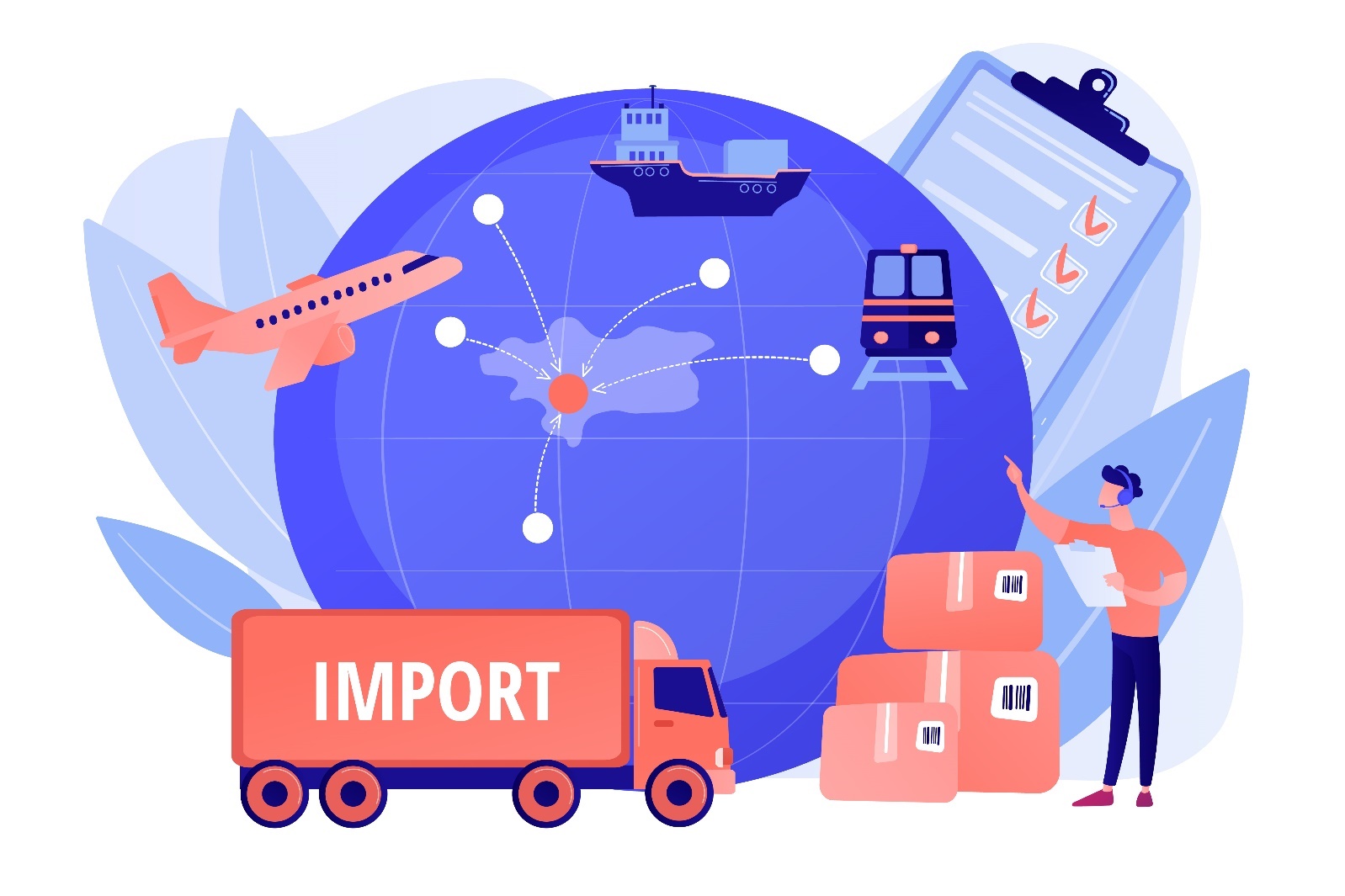
Customs Clearance Process in Bangladesh
The customs clearance process in Bangladesh is a crucial step for importing goods into the country. The following is a discussion of the customs clearance process in Bangladesh:
1. Pre-Arrival Processing: Before the arrival of goods, the importer must submit the necessary documents to the Bangladesh customs authorities. These documents include the bill of lading, commercial invoice, packing list, import permit, and other relevant documents.
The bill of lading is a document that provides details of the shipment, including the type and quantity of goods, the name of the exporter, and the name of the importer. The bill of lading serves as proof of ownership of the goods and is required for customs clearance.
The commercial invoice is a document that provides details of the transaction, including the price of the goods, the terms of payment, and the details of the exporter and importer. The commercial invoice is required for customs clearance and is used to assess the value of the goods for the purpose of calculating the duties and taxes.
The packing list is a document that provides details of the contents of each package, including the type and quantity of goods, the weight and volume of each package, and the markings and numbers on each package. The packing list is required for customs clearance and is used to verify the contents of the shipment.
The import permit is a document that is issued by the relevant government agency responsible for regulating the specific goods being imported. The import permit is required for customs clearance and is used to ensure that the imported goods comply with the relevant regulations and standards.
In addition to these documents, the importer may be required to submit other relevant documents, such as certificates of origin, phytosanitary certificates, and sanitary and phytosanitary (SPS) certificates, depending on the type of goods being imported.
In conclusion, the pre-arrival processing phase of the customs clearance process in Bangladesh is a crucial step for ensuring that the necessary documents are submitted to the customs authorities. Importers must ensure that they submit all the required documents to avoid any legal issues or delays in the customs clearance process.
2. Arrival of Goods: When the goods arrive at the port of entry, they are inspected by the customs authorities to ensure that they comply with the relevant regulations and standards. The customs authorities also verify the documents submitted by the importer.
When the goods arrive at the port of entry in Bangladesh, they are inspected by the customs authorities to ensure that they comply with the relevant regulations and standards. The customs authorities also verify the documents submitted by the importer in the pre-arrival processing phase.
The inspection of goods is done to ensure that the goods are in compliance with the regulations and standards set by the Bangladesh government. The inspection process may include a physical examination of the goods, testing, and sampling. The customs authorities may also inspect the packaging and labelling of the goods to ensure that they are in compliance with the relevant regulations.
The customs authorities also verify the documents submitted by the importer, including the bill of lading, commercial invoice, packing list, and import permit. The verification process is done to ensure that the information provided by the importer is accurate and that the goods being imported comply with the relevant regulations and standards.
If the customs authorities find that the goods do not comply with the regulations and standards, they may reject the goods or require the importer to take corrective action before the goods are released from customs. The importer may also be required to pay additional duties and taxes if the customs authorities find that the value of the goods has been underreported.
3. Assessment of Duties and Taxes: The customs authorities assess the duties and taxes applicable to the imported goods. The duties and taxes are based on the value of the goods, the type of goods, and other relevant factors.
After the inspection of goods and verification of documents, the customs authorities in Bangladesh assess the duties and taxes applicable to the imported goods. The duties and taxes are based on the value of the goods, the type of goods, and other relevant factors.
The value of the goods is determined based on the information provided in the commercial invoice submitted by the importer. The customs authorities may also use other methods to determine the value of the goods, such as the transaction value method, the deductive value method, or the computed value method.
In addition to the value of the goods, the type of goods being imported also affects the assessment of duties and taxes. Some goods may be subject to higher duties and taxes than others, depending on their nature and intended use.
Other relevant factors that may affect the assessment of duties and taxes include the country of origin of the goods, the quantity of goods being imported, and any applicable trade agreements or regulations.
Once the duties and taxes have been assessed, the importer must pay the required amount before the goods are released from customs. The payment can be made through an online payment system or by submitting a bank draft.
In conclusion, the assessment of duties and taxes is an important step in the customs clearance process in Bangladesh. Importers must ensure that they provide accurate information about the value and type of goods being imported to avoid any legal issues or delays in the customs clearance process.
4. Payment of Duties and Taxes: The importer must pay the duties and taxes before the goods are released from customs. The payment can be made through an online payment system or by submitting a bank draft.
It is important to note that the amount of duties and taxes to be paid varies depending on the type of goods being imported and the country of origin. It is the responsibility of the importer to ensure that they have accurate information on the applicable duties and taxes for their specific shipment.
In addition, some countries may require additional permits or licenses to import certain goods. It is important for the importer to research and obtain all necessary documentation before proceeding with the importation process.
Once the duties and taxes have been paid, the customs authority will release the goods to the importer. It is important to ensure that all necessary documentation is provided to the customs authority to avoid any delays or issues with the release of the goods.
5. Inspection of Goods: The customs authorities may inspect the goods to ensure that they comply with the relevant regulations and standards. The inspection may include a physical examination of the goods, testing, and sampling.
The inspection of goods by customs authorities is a routine process that is carried out to ensure that imported goods comply with the relevant regulations and standards. The inspection may be conducted at the point of entry or at a designated inspection facility.
During the inspection, customs officials may physically examine the goods to ensure that they match the description provided on the import documents. They may also test the goods to ensure that they comply with safety, health, and environmental regulations. This may include taking samples of the goods for laboratory analysis.
It is important for importers to ensure that their goods comply with all relevant regulations and standards before they are shipped. Failure to comply with these regulations can result in delays, fines, or even seizure of the goods.
Importers should also ensure that they have all necessary documentation and permits for their shipment to avoid any issues during the inspection process. This includes providing accurate and detailed information about the goods being imported, such as their quantity, value, and country of origin.
6. Release of Goods: After the duties and taxes are paid, and the goods are inspected, the customs authorities release the goods to the importer. The importer can then take possession of the goods and transport them to their final destination.
After the goods have been cleared by customs and released to the importer, it is the responsibility of the importer to take possession of the goods and transport them to their final destination.
The importer should ensure that they have all necessary documentation, such as delivery orders and bills of lading, to facilitate the transportation of the goods. It is also important to ensure that the goods are properly packaged and secured to prevent any damage during transportation.
Depending on the type of goods being imported, the importer may need to obtain additional permits or licenses from other government agencies before they can be transported to their final destination. This may include permits for hazardous materials or controlled substances.
It is important for the importer to work with reliable transportation providers to ensure that the goods are transported safely and efficiently. This may include using specialized transportation services for certain types of goods, such as refrigerated containers for perishable items.
7. Post-Clearance Audit: After the customs clearance process is completed, the customs authorities may conduct a post-clearance audit to verify the accuracy of the information provided by the importer and ensure that the correct duties and taxes were paid.
A post-clearance audit is a process conducted by customs authorities after the customs clearance process is completed. The purpose of the audit is to verify the accuracy of the information provided by the importer during the clearance process and ensure that the correct duties and taxes were paid.
During the audit, customs officials may review the import documents, such as invoices and bills of lading, to ensure that they are accurate and match the information provided by the importer. They may also review the importer's accounting records to ensure that the correct duties and taxes were paid.
If any discrepancies or errors are found during the audit, the importer may be required to pay additional duties and taxes, and may be subject to fines or penalties. In some cases, the goods may be seized or confiscated by customs authorities.
It is important for importers to maintain accurate records of their import transactions and ensure that they comply with all relevant regulations and standards. This includes providing accurate and detailed information about the goods being imported, and ensuring that the correct duties and taxes are paid.
Overall, the post-clearance audit is an important aspect of the importation process that ensures the accuracy of import information and the proper payment of duties and taxes. Importers should be prepared for the possibility of a post-clearance audit and maintain accurate records to ensure compliance with customs regulations.
In conclusion, the customs clearance process in Bangladesh involves several steps, including pre-arrival processing, assessment of duties and taxes, inspection of goods, and release of goods. Importers must ensure that they comply with the relevant regulations and standards to avoid any legal issues or delays.
Navigating the Complexities of Import Regulations: Why Accurate Documentation is Key

Accurate documentation and compliance with regulations are crucial aspects of the importation process. Failure to comply with regulations or provide accurate documentation can result in delays, fines, or even seizure of the goods.
Accurate documentation is essential to ensure that the goods are properly identified and classified, and that the correct duties and taxes are paid. This includes providing detailed information about the goods being imported, such as their quantity, value, and country of origin. It is important to ensure that the documentation is complete and accurate to avoid any issues during the customs clearance process.
Compliance with regulations is also important to ensure the safety and quality of the imported goods. This includes compliance with safety, health, and environmental regulations. Failure to comply with these regulations can result in fines, penalties, or even legal action.
Importers should also be aware of any permits or licenses that may be required for their specific shipment. This may include permits for hazardous materials, controlled substances, or certain types of goods.
Overall, accurate documentation and compliance with regulations are essential for a smooth and successful importation process. Importers should ensure that they have all necessary documentation and permits, and comply with all relevant regulations and standards to avoid any issues or delays during the customs clearance process.
The customs clearance process can be a complex and time-consuming process, but there are several steps that importers can take to ensure a smooth and successful clearance. Here are some tips for a smooth customs clearance process:
1. Be prepared: Before initiating the importation process, importers should ensure that they have all necessary documentation, permits, and licenses. This includes detailed information about the goods being imported, such as their quantity, value, and country of origin.
2. Choose a reliable customs broker: A customs broker can help guide importers through the customs clearance process, ensuring that all necessary documentation is in order and that the correct duties and taxes are paid. It is important to choose a reliable and experienced customs broker to ensure a smooth clearance process.
3. Communicate with the customs authorities: Importers should maintain open communication with the customs authorities throughout the clearance process. This includes providing accurate and detailed information about the goods being imported and promptly responding to any requests for additional information or documentation.
4. Ensure proper packaging and labelling: Proper packaging and labelling of the goods can help prevent damage during transportation and ensure that they are properly identified and classified during the clearance process. It is important to comply with any specific packaging and labelling requirements for the specific type of goods being imported.
5. Comply with regulations: Compliance with safety, health, and environmental regulations is essential for a successful customs clearance process. This includes obtaining any necessary permits or licenses for the specific type of goods being imported and ensuring that the goods comply with all relevant regulations and standards.
Overall, a smooth customs clearance process requires careful preparation, attention to detail, and compliance with regulations. Importers should work with reliable customs brokers, communicate with the customs authorities, and ensure that all necessary documentation and permits are in order to ensure a successful clearance process.
Maximizing Efficiency: Tips for Choosing Payment and Delivery Options When Importing to Bangladesh
V. Payment and Delivery
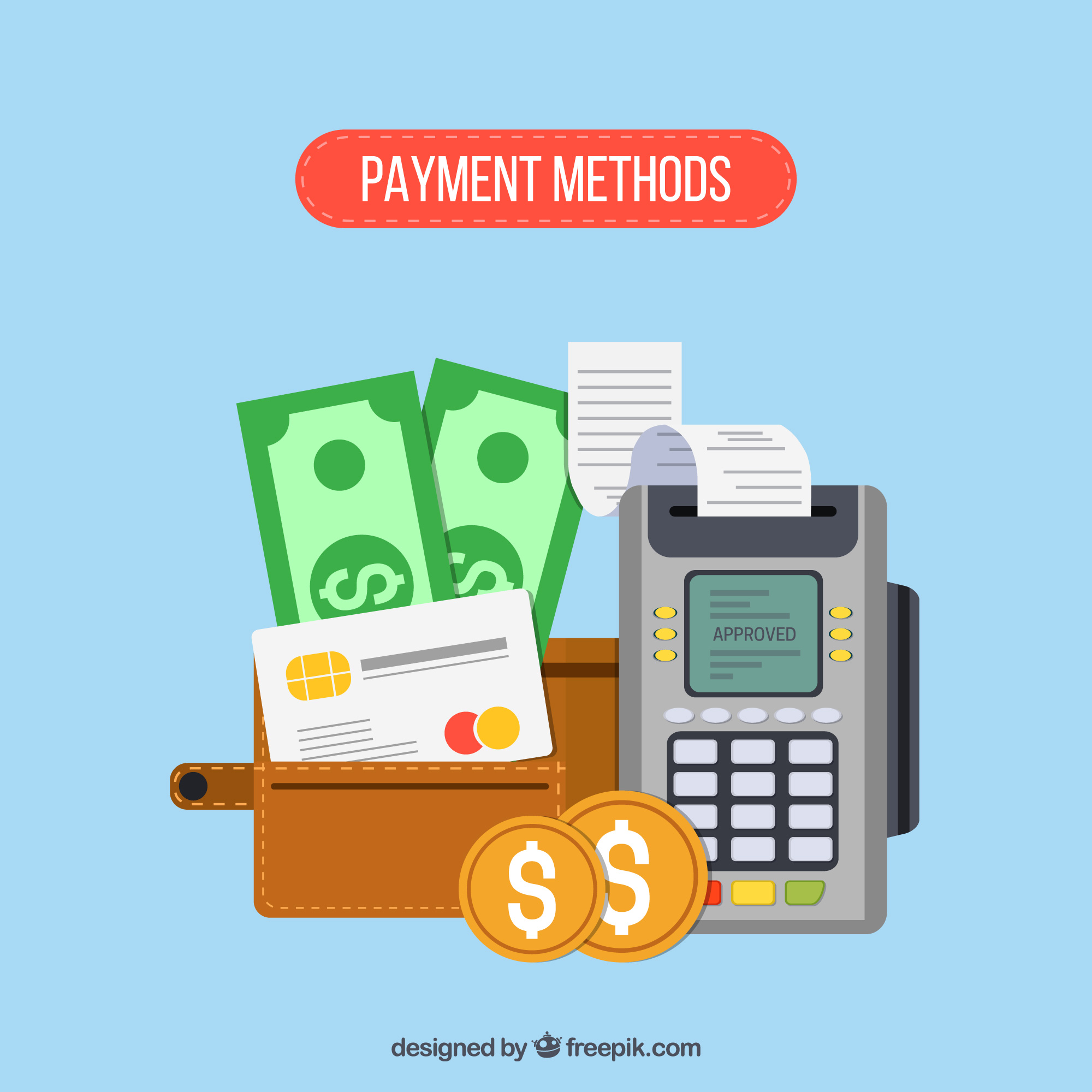
When importing goods to Bangladesh, there are several payment and delivery options available to importers. These options can vary depending on the specific needs and requirements of the importer, as well as the type of goods being imported. Here are some of the most common payment and delivery options for importing to Bangladesh:
1. Payment options:
• Letter of Credit (LC): This is a payment method that involves a bank guaranteeing payment to the exporter on behalf of the importer. The LC ensures that the exporter receives payment once the goods have been shipped and the required documents have been presented.
Pros:
- Provides a level of security for both the importer and exporter
- Ensures that the exporter receives payment once the goods have been shipped and the required documents have been presented
- Reduces the risk of non-payment or delayed payment
Cons:
- Can be a complex and time-consuming process
- Requires the involvement of banks, which can increase costs
- Can be more expensive than other payment options
• Advance Payment: This involves the importer paying the exporter upfront for the goods before they are shipped. This payment method is often used for small orders or when the importer has a long-standing relationship with the exporter.
Pros:
- Provides upfront payment to the exporter, which can be beneficial for small orders or when the importer has a long-standing relationship with the exporter
- Reduces the risk of non-payment for the exporter
Cons:
- Increases the risk for the importer, as they are paying upfront before receiving the goods
- Can be difficult to negotiate favourable terms for the importer
• Open Account: This involves the exporter shipping the goods to the importer without receiving payment upfront. The importer is then required to pay the exporter within a specified period of time, usually 30 to 90 days.
Pros:
- Provides flexibility for the importer, as they can receive the goods before making payment
- Increases trust between the importer and exporter
Cons:
- Increases the risk for the exporter, as they are shipping the goods without receiving payment upfront
- Can be difficult to collect payment from the importer within the specified period of time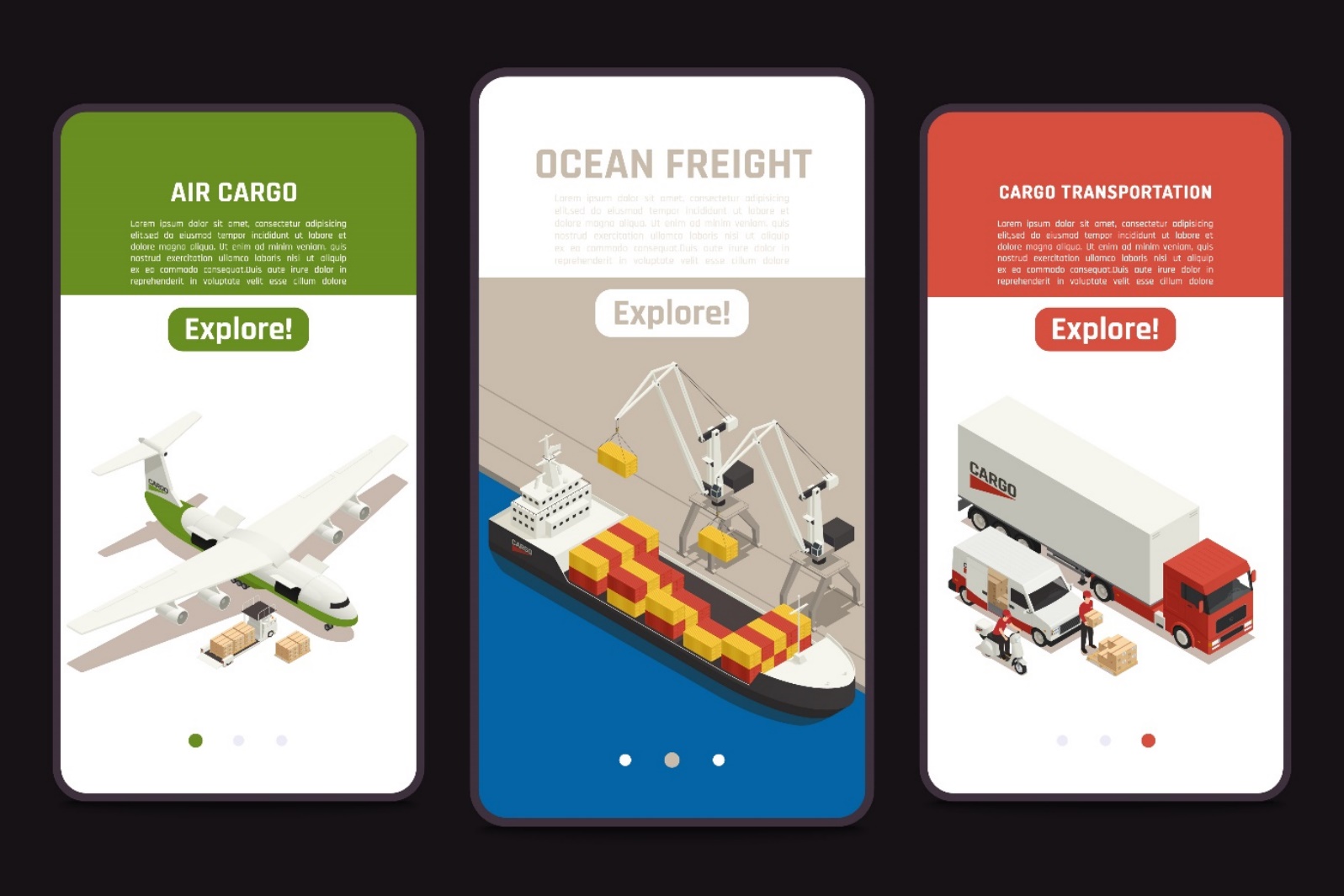
2. Delivery options:
• Air Freight: This involves the goods being transported by air. Air freight is often faster than other delivery options but can be more expensive.
Pros:
- Faster delivery times compared to other delivery options
- Provides greater security for high-value goods
- Allows for smaller shipments
Cons:
- More expensive compared to other delivery options
- Limited cargo capacity for larger shipments
• Sea Freight: This involves the goods being transported by sea. Sea freight is often slower than air freight but can be more cost-effective for larger shipments.
Pros:
- More cost-effective for larger shipments
- Provides greater cargo capacity compared to air freight
- Can be more environmentally friendly compared to air freight
Cons:
- Slower delivery times compared to air freight
- Less secure compared to air freight
- Limited flexibility for changes to delivery schedules
• Road Freight: This involves the goods being transported by road. Road freight is often used for shipments within Bangladesh or from neighbouring countries.
Pros:
- Provides greater flexibility for delivery schedules
- Can be more cost-effective for shipments within Bangladesh or from neighbouring countries
Cons:
- Limited cargo capacity compared to air and sea freight
- Can be affected by road conditions and traffic delays
3. Incoterms:
Incoterms (International Commercial Terms) are a set of standardized rules that define the rights and obligations of buyers and sellers in international trade transactions. They were first introduced by the International Chamber of Commerce (ICC) in 1936 and have been updated periodically to reflect changes in global trade practices.
Incoterms provide a common language for buyers and sellers to communicate about the delivery of goods, payment, and transfer of risk. They define the responsibilities of each party at each stage of the transaction, from the point of origin to the point of destination.
There are currently 11 Incoterms, each representing a different set of obligations and responsibilities for the buyer and seller. The most commonly used Incoterms include:
- EXW (Ex Works): The seller is responsible for making the goods available at their premises, and the buyer is responsible for all transportation and insurance costs.
- FOB (Free on Board): The seller is responsible for loading the goods onto the shipping vessel, and the buyer is responsible for all transportation and insurance costs from that point forward.
- CIF (Cost, Insurance, and Freight): The seller is responsible for all costs associated with shipping the goods to the port of destination, and the buyer is responsible for all costs associated with unloading the goods and transporting them to their final destination.
Incoterms are important because they help to reduce the risk of misunderstandings and disputes between buyers and sellers. They provide a clear framework for the parties to agree on the terms of the transaction, including the delivery method, payment terms, and transfer of risk.
It is important to note that Incoterms do not cover all aspects of an international trade transaction, such as payment methods or intellectual property rights. However, they do provide a solid foundation for buyers and sellers to build upon when negotiating the terms of their transaction.
In summary, Incoterms are a crucial tool for international trade, providing a standardized set of rules for the interpretation of trade terms. They help to clarify the responsibilities of the buyer and seller for the delivery of goods, payment, and transfer of risk, and reduce the risk of misunderstandings and disputes.
Overall, the choice of payment and delivery options will depend on the specific needs and requirements of the importer. It is important to carefully consider these options and work with reliable and experienced logistics providers to ensure a smooth and successful importation process.
Maximizing Your Profits: The Importance of Negotiating Favourable Payment and Delivery Terms in Importation
Negotiating favourable payment and delivery terms is an essential part of any successful importation process. Here are some tips to help you negotiate favourable terms:
- Do your research: Before entering into negotiations, it is important to do your research and understand the current market conditions, including the prices of similar goods and the availability of different delivery options. This will help you to negotiate from a position of knowledge and strength.
- Understand your needs: It is important to have a clear understanding of your needs and requirements before entering into negotiations. This includes factors such as the quantity of goods, the required delivery date, and your budget. Having a clear understanding of your needs will help you to negotiate terms that are favourable to your business.
- Be flexible: Negotiations require give and take from both parties. It is important to be flexible and willing to compromise where appropriate. This will help to build a positive relationship with the other party and increase the chances of reaching a mutually beneficial agreement.
- Consider the long-term: When negotiating payment and delivery terms, it is important to consider the long-term implications of the agreement. This includes factors such as the reliability and reputation of the other party, as well as the potential for future business opportunities.
- Work with experienced logistics providers: Working with experienced logistics providers can help to ensure a smooth and successful importation process. They can provide valuable insights and advice on payment and delivery options, as well as help to negotiate favourable terms on your behalf.
In summary, negotiating favourable payment and delivery terms requires careful research, a clear understanding of your needs, flexibility, and a focus on the long-term implications of the agreement. By following these tips and working with experienced logistics providers, you can increase your chances of negotiating terms that are favourable to your business.
For your company's import into Bangladesh contact our export & import of Bangladesh's experts
Recent Blogs
COMPRESSOR SPARE PARTS AND OIL PRICE LIST
GENERAL PUMPS PRICE LIST
Navigating International Trade with Letter of Credit (LC): The Key to Smooth Transactions

Maximize Profits and Minimize Costs: A Guide to Winning Supplier Negotiations