- 27-06-2023
- Admin
Singapore's Free Trade Zones: A Game-Changer for International Trade
Singapore's free-trade zones are designated economic areas that provide advantageous customs and tax treatment to companies that conduct business within their boundaries.
This guide aims to cover the definition of free-trade zones in Singapore, their regulatory framework, the benefits they offer, and the necessary licenses and permits that companies must obtain to conduct operations within these zones.
Introduction to Singapore's Free-Trade Zones: Benefits and Regulations
Singapore is recognized globally for its trade-oriented approach and its pro-business regulations on free trade, which are central to its international trade strategy.
Through its numerous Double Taxation Avoidance Agreements (DTAAs), investment guarantee agreements, and free-trade agreements, such as the India-Singapore DTAA and the Malaysia-Singapore DTAA, Singapore has established seamless trade relations with nearly every nation worldwide.
An additional benefit that Singapore provides to global trade companies is the presence of its free-trade zones (FTZs). Initially created in 1969 to bolster Singapore's aspiration of becoming a hub for entrepot trading and transshipment operations, the objectives of the FTZs have since broadened. In Singapore, FTZs are specific zones where the payment of taxes and duties is temporarily waived when goods are received, kept, or traded within the FTZ.
Experience the Power of Free Trade: Setting up business in Singapore's Dynamic FTZs
Singapore's exceptional transportation infrastructure positions it as an excellent hub for free trade zones, offering convenient storage solutions for numerous domestic and international enterprises. Furthermore, the country has streamlined immigration procedures, enhancing the appeal and business-friendliness of its free trade zone terminals and regions. The strategic placement of these FTZs, in proximity to Singapore Port operations and Changi Airport, has proven advantageous, particularly for entrepreneurs engaged in commerce and manufacturing activities.
Exploring the Key Advantages of Singapore's FTZs
To facilitate the transshipment and entrepot trade of foreign goods, businesses that operate within these zones can take advantage of the following benefits offered by Singapore's free trade zones.
• No Import Permit Is Needed in FTZs in Singapore
As a general rule, before the actual import of goods, an importer is required to obtain a customs permit. But when the importation is into fair-trade zones in Singapore, this document is not required.
• No Customs Duties on Goods Imported into FTZs
In Singapore, specific categories of goods are classified as dutiable under the law. This classification implies that these goods are subject to customs duty upon importation, which can be levied based on ad valorem or specific rates. The dutiable goods in Singapore can be broadly categorized into four main groups: intoxicating liquors, tobacco products, motor vehicles, and petroleum products including biodiesel blends.
However, if such goods are imported into a free-trade zone in Singapore, they’re considered as goods under the Singapore customs control and are therefore not subject to customs duties.
• No Goods and Services Tax on Imports
In Singapore, the majority of goods (excluding exempt imports) are typically subject to the country's consumption tax, the Goods and Services Tax (GST), also known as Value-Added Tax (VAT), at the current rate of 7% based on the value of the goods. Irrespective of the importer's GST registration status, import GST must be paid.
When goods are imported and held in a Singaporean free trade zone, the import GST is put on hold, meaning no GST payment is necessary. Moreover, products stored in Singapore's FTZs can be traded multiple times before they are finally removed.
To relieve businesses from the obligation of recording GST for numerous goods supplies, such supplies (excluding local goods supplies to Singapore's free trade zones, which are still taxable) are not taken into consideration for GST purposes. This implies that any value added to imports inside a Singaporean free trade zone is not subject to the GST. Consequently, economic activities conducted within Singapore's FTZs are exempted from taxes.
Additionally, if you transport foreign goods out of Singapore's FTZs (i.e., transshipment) without entering the customs territory, these goods are not subject to GST. Consequently, there is no obligation to report the movement of such overseas goods in your GST return.
In summary, if a company imports raw materials to a Singaporean free trade zone, enhances the value of the raw materials to create a finished product within the FTZ, and subsequently sells the product to a foreign country outside of Singapore, no GST will be levied by Singapore on any of these operations.
• Exemptions
The payment of duty and import GST is only necessary when goods are utilized within Singapore's FTZ or are moved out of the FTZ and into Singapore's customs territory for local sales or domestic consumption.
If you use or consume overseas goods within a Singaporean FTZ or import them into Singapore's free trade zone customs territory, you must obtain an import permit from Singapore Customs and pay import GST or import duty. However, if you transport goods directly from one Singaporean FTZ to another, import GST and duty are not applicable, and there is no need for an import permit.
Despite being a relatively small nation, Singapore boasts a significant number of free zones, offering a surprising array of tailored amenities to enterprises operating within each zone.
The requirements for starting a business in a trade free zone in Singapore are as follows:
• The founder’s visa or identification card.
• The ensuring finance required will be determined by the company’s income.
• The firm title must be registered with the Trademark Registry.
• The articles of the foundation are required.
• If a firm using an FTZ needs a Singapore FTZ warehouse, it must possess a paid-up share capital of $100,000.
• Those who merely seek a coworking space ought to possess a paid initial capital of S$50,000.
• In the initial year of existence, the paid-up share capital should be placed; nevertheless, the business is permitted to make use of this money for operating costs.
The Future of Global Trade: Singapore's Free-Trade Zones

Currently, there are nine Singapore free trade zones:
• Airport Logistics Park of Singapore
• Brani Terminal
• Changi Airport Cargo Terminal Complex
• Jurong Port (including Pulau Damar Laut)
• Keppel Distripark
• Keppel Distripark Linkbridge
• Pasir Panjang Terminal
• Sembawang Wharves
• Tanjong Pagar Terminal and Keppel Terminal
Understanding the Rules and Regulations of Singapore's Free Trade Zones
The Singapore Free Trade Zones Act, which became effective in 1966 and was most recently revised in 2014, constitutes Singapore's primary legislation on FTZs in the country.
The Singapore Free Trade Zones Act outlines:
• The Free Zone Advisory Committee, the Director of Singapore Customs, and the Ministry for Trade and Industry are the authorities responsible for examining the operations of firms conducting business in Singapore's free-trade zones.
• Activities that may be undertaken by free trade zone companies in Singapore.
• Types of licenses and permits required to manufacture and sell goods in the free zones.
• Penalties for not respecting regulations imposed by the free zone authorities.
Additional ancillary FTZ legislation includes:
• Free Trade Zones Regulations, covering matters of security in FTZs in Singapore, dutiable goods transferred between different zones, and other factors.
• Free Trade Zones (Declared Areas) Notification, listing all the current FTZs in Singapore.
• Free Trade Zones (Manufacture) Regulations, covering issues related to manufacturing goods in FTZs.
Navigating the Permit and License Requirements for Operating in Singapore's FTZ
In order to conduct business within any of Singapore's free trade zones, firms are required to secure a permit or license from one of three authorities accountable for overseeing the applicable FTZ.
They are as follows:
1. PSA Corporation Limited administers the following free-trade zones in Singapore:
• Tanjong Pagar Terminal and Keppel Terminal
• Sembawang Wharves
• Brani Terminal
• Keppel Distripark
• Keppel Distripark Linkbridge
• Pasir Panjang Terminal
2. Jurong Port Pte Ltd is the authority appointed to operate:
• Jurong Port (including Pulau Damar Laut)
3. Changi Airport Group (Singapore) Pte Ltd is responsible for:
• Changi Airport Cargo Terminal Complex
• Airport Logistics Park of Singapore.
To operate in Free Trade Zones (FTZs) in Singapore, there are two primary types of permits or licenses required. The first type is specifically designed for corporate users, while the second type is issued to individuals and has a short-term temporary validity. To initiate the permit application process, individuals or corporations must commit to adhering to the conditions of the permit, safety regulations, and security rules established by the relevant agency.
A temporary permit, will remain valid for a duration ranging from 24 hours to 2 weeks. On the other hand, corporate permits are typically granted for a period of one to three years and are associated with diverse fees. The processing time for these permits, whether temporary or corporate, generally does not exceed four days for the relevant authority to issue them.
Setting the Stage for Success: Selecting the Perfect Free Trade Zone for Your New Singapore Business
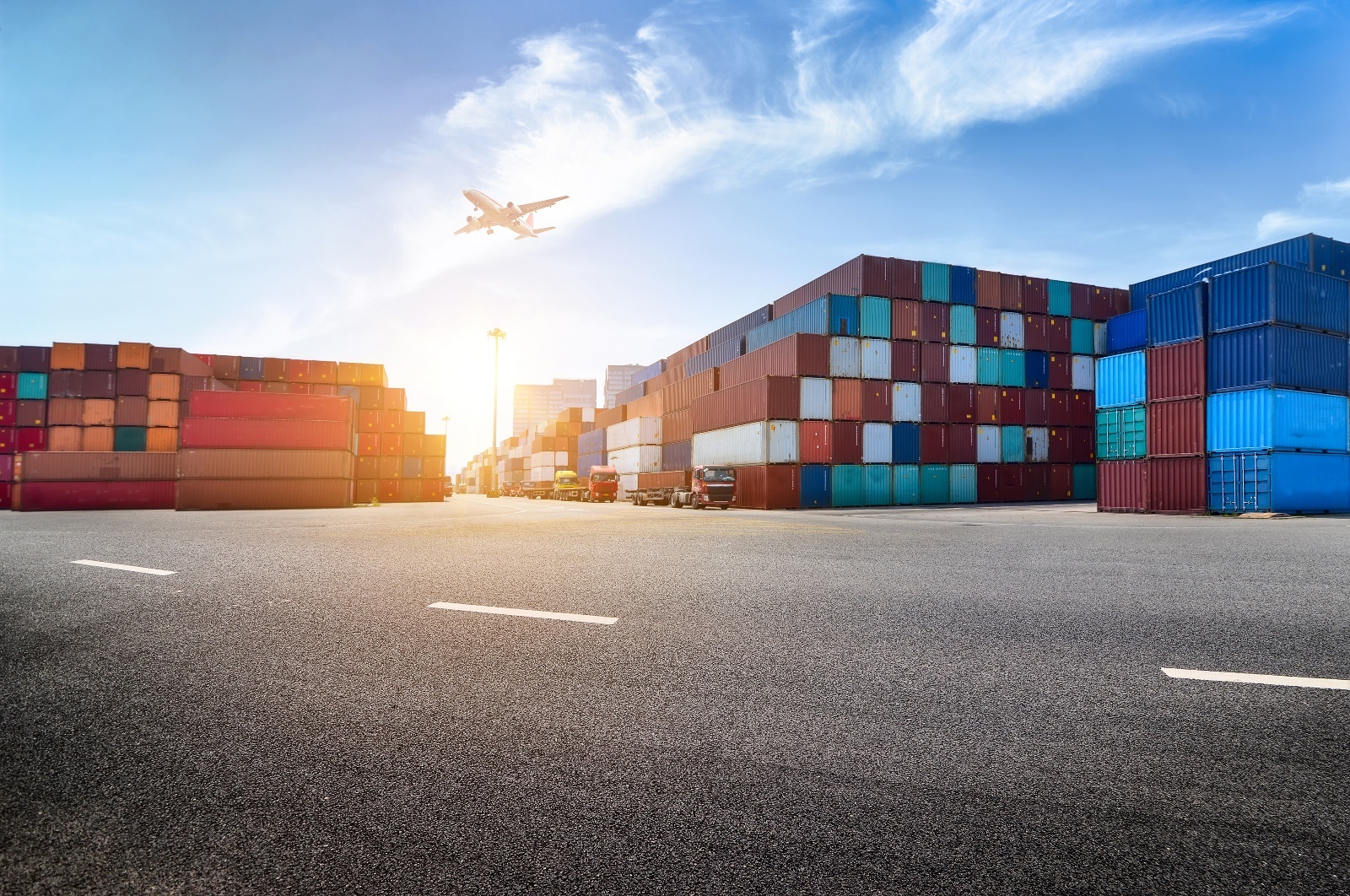
Choosing the most suitable trade zone for a new enterprise in Singapore can be challenging since all of the free zones follow comparable standard operating procedures.
To assist in determining the perfect free trade zone in Singapore for a new business, consider the following key factors:
• Changi Airport offers over 70 acres of land available for businesses to utilize.
• There are 14 specialized industrial parking places in the Changi Airport Free Zone.
• Changi Airport is capable of handling over 3 million tonnes of waste annually.
• Keppel Districts Park covers about 45 warehouse enclosed units ranging in size from 1,000 to 5,000 square meters.
• Jurong Port, one of the city-largest country’s free zones, has about 170,000 square meters of warehouse area.
• On either side, the Changi Airport Group has almost 100,000 square meters of office and storage space.
In conclusion, Open Trade Parks serve as vital critical infrastructure, bolstering Singapore's standing as a leading global player with favourable trade policies that foster international commerce. Enterprises operating within these free trade zones enjoy streamlined trade facilitation, provided their goods are transported rather than sold within Singapore. Furthermore, businesses established in the FTZs are exempt from taxes such as the goods and services tax, as well as customs fees.
If you are considering establishing a business in Singapore and require guidance or have any concerns, please don't hesitate to CONTACT US.
We are available to provide advice tailored to your company's specific needs and circumstances.
Recent Blogs
COMPRESSOR SPARE PARTS AND OIL PRICE LIST
GENERAL PUMPS PRICE LIST
Navigating International Trade with Letter of Credit (LC): The Key to Smooth Transactions

Maximize Profits and Minimize Costs: A Guide to Winning Supplier Negotiations